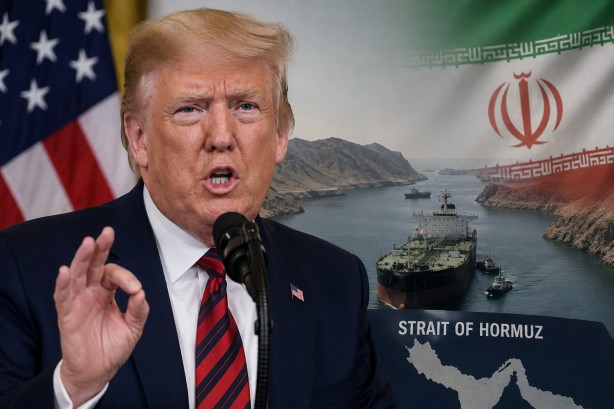
Tensions are escalating in the Gulf as Iran has issued a stern warning to neighboring states, cautioning that any further military strikes by the United States on Iranian territory could result in retaliatory actions targeting vital energy infrastructure throughout the region. This message was conveyed by Iranian Foreign Minister Abbas Araqchi during discussions with high-level officials from countries including Saudi Arabia, Qatar, Turkey, and Pakistan. Iran’s outreach aims to enlist these regional partners in urging the US to refrain from additional military aggression.
The warning from Iran comes on the heels of recent threats by US President Donald Trump, who has indicated the possibility of targeting Iran’s energy assets. While Iran has underscored its preference for resolving tensions through diplomatic means, it has also made it clear that it stands ready to respond with force if necessary. The potential Iranian countermeasures might involve strikes on American interests and crucial energy infrastructure across the Gulf, raising concerns about the security of energy supplies and regional stability.
Saudi Arabia has been particularly vocal in advising the US to prioritize diplomatic negotiations over military escalation. The kingdom has emphasized its commitment to defend itself if attacked, highlighting the delicate balance regional powers are trying to maintain amid rising tensions. As the situation develops, there is a collective push among Gulf states to mitigate the risks of a military conflict that could have far-reaching consequences for global energy markets.
Iran’s warnings specifically suggest that oil facilities, refineries, power grids, water systems, transport frameworks, and oil fields could be potential targets if the US launches another attack. This highlights the strategic importance of the Gulf’s energy infrastructure and the potential impact of any disruption. The stakes are high, as renewed hostilities threaten not only regional peace but also the stability of energy supplies crucial to the global economy.
Amid these complex geopolitical dynamics, regional leaders are striving to keep the channels of communication open and advocate for a diplomatic resolution. The goal remains to avert a broader conflict that could have severe implications for both regional and international stakeholders, particularly in the energy sector.