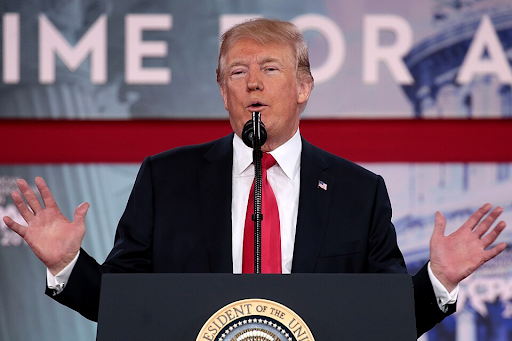
Following a conversation with Vladimir Putin, Donald Trump announced a temporary waiver of oil sanctions to ease the global energy supply crisis. This announcement coincided with a sharp decline in Brent crude prices, which had reached a peak of $119.50 earlier in the week. The shift in policy marks a major attempt by the US to control inflation caused by the ongoing war involving Iran and Israel.
The geopolitical landscape has been dominated by the closure of the Strait of Hormuz, through which 20% of the world’s oil and gas is transported. Iran’s IRGC recently claimed that no oil would be allowed to leave the region as long as hostilities continued. This threat caused a spike in energy costs that surpassed the levels seen during the peak of the Covid-19 pandemic and the Ukraine invasion.
Trump sought to minimize the market’s fear by stating that oil prices had actually risen less than he originally anticipated. However, he also emphasized that the US would not hesitate to retaliate if Iran permanently blocked trade routes. “We’re going to take those sanctions off until the strait is up,” Trump explained, referring to the need for immediate supply relief.
The economic pressure has led to a wave of emergency measures across Europe and Asia. Bangladesh has closed its universities to save power, and Thailand has introduced price controls on fuel to protect its domestic economy. These developments show how interconnected the global energy market is, with a regional conflict in the Middle East dictating domestic policy in distant nations.
As the situation on the ground stabilizes, international efforts are being organized to ensure the safety of commercial shipping. France has suggested that a multi-national naval force could soon begin escorting tankers through the Persian Gulf. If these security measures are successful, the recent drop in oil prices could become a more permanent fixture of the global economy.