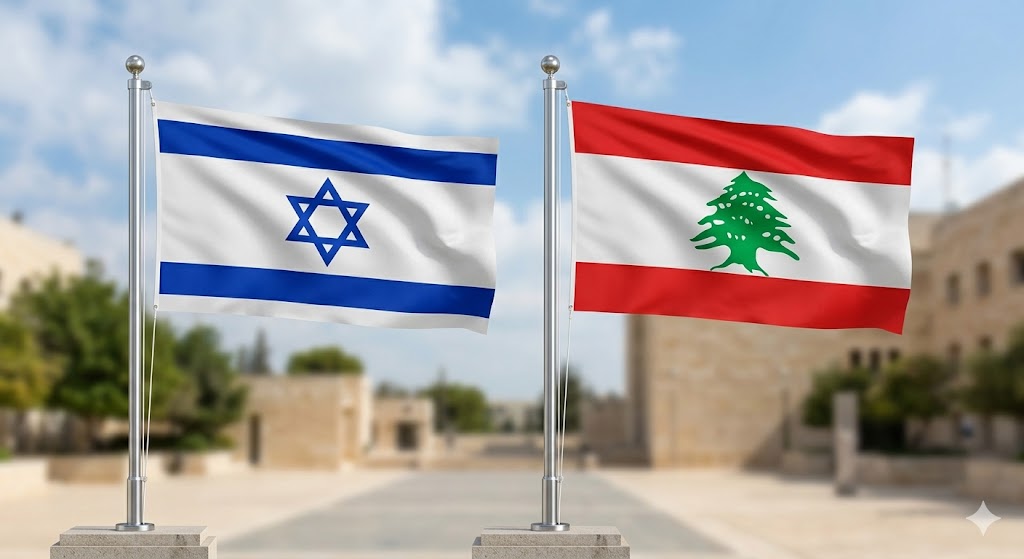
In a bid to foster stability and advance peace efforts, Israel and Lebanon have agreed on renewing a ceasefire, with continued negotiations aimed at crafting a more comprehensive peace agreement. This development was announced in a joint statement with the United States, highlighting a collaborative approach to resolving long-standing tensions between the neighboring countries. The agreement mandates a complete halt of attacks by Hezbollah, an Iran-backed militant group that operates independently of the Lebanese government and is not involved in the ongoing peace talks.
Under the terms of the agreement, both nations will establish designated security zones where the Lebanese Armed Forces will maintain exclusive control, ensuring that non-state armed groups are absent from these areas. This initiative aims to bolster security measures and lay the groundwork for a more extensive peace arrangement. The decision follows a series of high-level discussions between representatives from Israel and Lebanon, during which both parties reiterated their commitment to peaceful relations and agreed to continue direct dialogue to address unresolved issues.
Efforts outlined in the agreement include developing a security framework that prioritizes the sovereignty and territorial integrity of both Israel and Lebanon while preventing the resurgence of unauthorized armed groups in critical regions. Despite this diplomatic progress, tensions remain palpable along the border. The Israeli military reported intercepting projectiles and a hostile aircraft launched from Lebanese territory, while Hezbollah claimed responsibility for targeting Israeli forces, citing alleged breaches of the ceasefire. Concurrently, Lebanese authorities reported casualties resulting from Israeli strikes in southern regions of the country.
As these complex dynamics unfold, both nations are poised to resume negotiations later this month, seeking to build on recent diplomatic achievements and work towards a broader, enduring peace agreement. The situation underscores the delicate balance of advancing peace initiatives while managing ongoing security challenges along the border. The unfolding events reflect the intricate nature of Middle Eastern geopolitics, where diplomacy often contends with deep-seated historical grievances and regional power struggles.