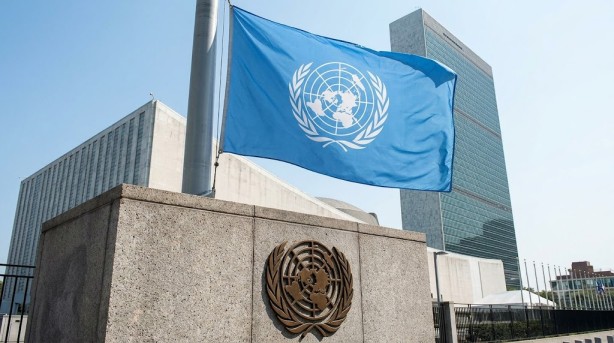
A United Nations scientific panel has issued a stark warning about the rapid advancement of artificial intelligence (AI), highlighting the disparity between the technology’s swift development and the global safeguards in place. The Global South, despite being significantly impacted by AI’s effects, remains largely marginalized in both the development and governance of this powerful technology. This information was disclosed by the Independent International Scientific Panel on AI, which the UN General Assembly established. The panel’s first global assessment was published in anticipation of the upcoming Global Dialogue on AI Governance set to take place in Geneva.
The report underscores the rapid growth of AI capabilities, pointing out that scientific understanding, regulatory frameworks, and oversight mechanisms are currently lagging behind. A significant concern raised by the panel is the concentration of AI development among a limited number of countries and tech companies. Notably, the majority of advanced AI models are being developed by private sector entities, with the United States and China leading the charge. Meanwhile, many developing countries find themselves with minimal influence over AI governance and policy.
In light of these findings, UN Secretary-General Antonio Guterres has called for swift government action to establish shared rules governing AI. He cautioned that any delays could weaken public and governmental control over the technology. The report also brings attention to the escalating risks associated with AI, including threats to security, human rights, democracy, and economic inequality. These concerns underscore the necessity for broader international cooperation to shape AI’s trajectory.
The panel’s report serves as a crucial wake-up call, urging nations to address the growing imbalance in AI development and governance. The emphasis is on the importance of inclusive global participation and the establishment of comprehensive frameworks to manage AI’s impact. As AI continues to evolve, the need for coordinated international efforts becomes increasingly urgent to ensure that its benefits are equitably distributed and its risks effectively managed.