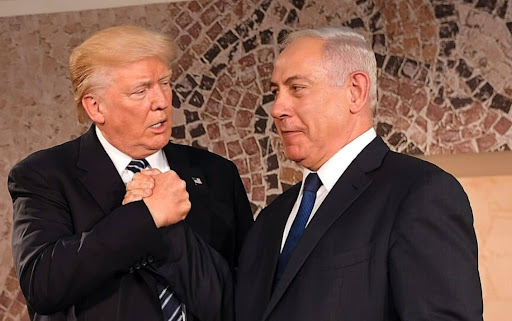
Gulf states did not simply request American restraint after the South Pars gas field strike — they activated a diplomatic circuit breaker that has been part of the US-Middle East relationship’s architecture for decades. When major Gulf governments with significant economic and security relationships with Washington signal that an American ally’s actions are imposing unacceptable costs on their interests, American policy responds — not always in exactly the ways the Gulf states would prefer, but with more responsiveness than the formal structure of the alliance would imply. After South Pars, they pressed Trump to rein in Netanyahu — and found those tools were limited.
The circuit breaker works because Gulf states have multiple forms of leverage over American policy. Economic leverage — their oil production decisions affect American energy prices. Strategic leverage — Gulf military bases and political cooperation are essential components of American Middle Eastern strategy. Diplomatic leverage — Gulf states’ voices carry weight in broader regional coalition management. When they deploy this leverage, Trump notices — and responds.
After South Pars, the deployment was effective in limited respects. Trump acknowledged his prior objection to Netanyahu’s strike — a signal to Gulf partners that America had not endorsed it. Netanyahu accepted a narrow limitation on further gas field strikes. The circuit breaker did not produce a comprehensive constraint on Israeli behavior — the broader Israeli campaign continued — but it produced specific, immediate responses that partially addressed the Gulf states’ most urgent concerns.
The circuit breaker’s limitations are equally important. It activates American responsiveness but not American control over Netanyahu’s decisions. Trump’s pushback was real; Netanyahu’s concession was narrow. The circuit breaker slows escalation; it does not stop it. Gulf states can activate Trump’s concern about Netanyahu’s behavior, but they cannot leverage that concern into genuine Israeli behavioral change — only American public expressions of concern and narrow Israeli concessions.
Understanding the circuit breaker mechanism helps explain the pattern of the South Pars response — why Trump responded publicly, why the concession was specific, and why the broader Israeli campaign under Netanyahu continued despite Gulf pressure. The alliance has built-in mechanisms for managing Gulf concerns; those mechanisms work within limits defined by the alliance’s own priorities.