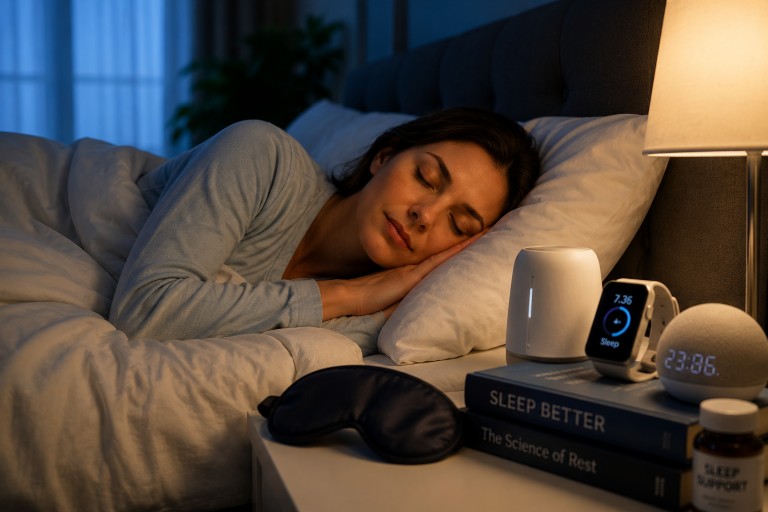
Amid an increasing awareness of the importance of quality rest, the market for sleep-enhancing products has been flourishing. Consumers are investing in a wide range of items—from smartwatches and sleep-tracking apps to specialized mattresses, weighted blankets, white-noise machines, and advanced cooling technologies—in hopes of improving their sleep. However, experts warn that these costly devices and sleep aids cannot replace the basic principles of healthy sleep. Factors such as stress, excessive screen time, inconsistent schedules, noise, uncomfortable room temperatures, and untreated sleep disorders can continue to disrupt rest, regardless of how sophisticated the sleep technology has become.
While products like comfortable mattresses, supportive bedding, and wearable devices can enhance the sleep environment and offer insights into sleeping patterns, they are not without their limitations. Issues like persistent stress, anxiety, excessive noise, irregular work hours, and underlying sleep disorders necessitate more than just a new mattress or the latest smart gadget. In some instances, an over-reliance on sleep technology may even lead to additional stress. This is evident in the growing concern over orthosomnia, a condition where individuals become overly preoccupied with achieving “perfect” sleep by constantly monitoring data from their sleep trackers. Paradoxically, the anxiety of achieving optimal sleep scores can make it harder to relax and fall asleep.
As the sleep economy expands, the demand for sleep-related products continues to grow, reflecting a broader cultural shift towards recognizing sleep as a critical component of overall health, rather than just downtime. The market now encompasses much more than traditional mattresses and pillows, including wearable trackers, sleep apps, smart beds, wellness programs, and other tech-driven solutions. Additionally, wellness-focused hotels and sleep retreats are gaining popularity, further emphasizing the trend of integrating sleep into wellness routines.
Despite the proliferation of sleep products, the fundamental solution to better sleep may be surprisingly straightforward. Maintaining consistent sleep and wake times, engaging in regular physical activity, managing stress, and limiting screen exposure before bed can lay a solid foundation for restful sleep. Additionally, ensuring a quiet, dark, and comfortably cool bedroom environment can facilitate easier relaxation. It’s crucial to recognize that persistent or severe sleep issues should not be solely addressed with consumer products. Symptoms such as ongoing sleep difficulties, loud snoring, interruptions in breathing during sleep, or notable daytime fatigue warrant professional medical attention.