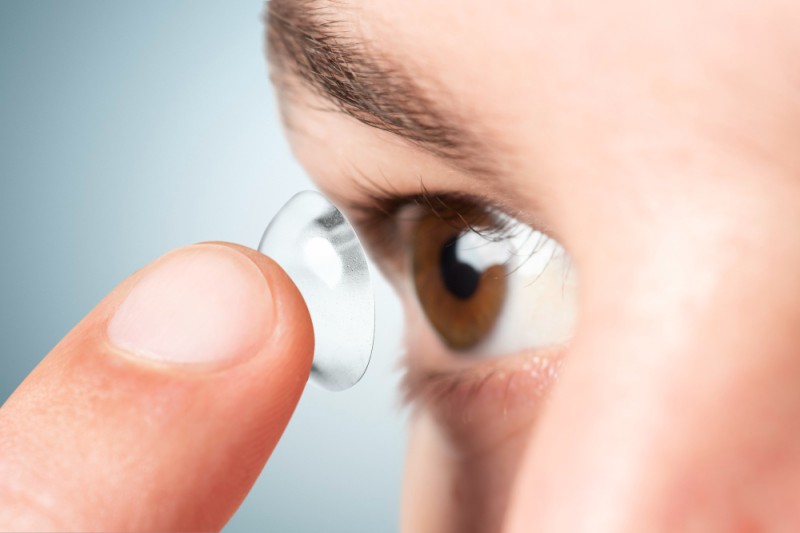
Contact lens users often overlook the risks associated with falling asleep while wearing their lenses, considering it a minor oversight. However, eye health professionals emphasize that even a brief nap with contacts on can pave the way for severe eye infections and long-term vision issues.
The cornea, the transparent front layer of the eye, requires oxygen from the air to maintain its health. Throughout the day, contact lenses already reduce the oxygen supply to the cornea. Sleep further exacerbates this reduction, depriving the cornea of vital oxygen. This oxygen deprivation can weaken the eye’s natural defenses, making it susceptible to bacterial infections.
One of the most severe outcomes of sleeping in contact lenses is microbial keratitis, a bacterial infection affecting the cornea. If not promptly addressed, this infection can lead to corneal ulcers, which are painful and can result in permanent scarring and potentially irreversible vision loss. Experts warn that even sporadic naps with contact lenses on can elevate the risk of such infections.
Thankfully, these complications are largely preventable with proper contact lens care. Eye care specialists advise removing lenses before sleeping or taking naps, adhering to good hygiene practices, and following the replacement schedule recommended by eye care professionals. These steps significantly reduce the risk of infections and other complications.
Individuals who notice symptoms such as redness, pain, sensitivity to light, blurry vision, or sudden changes in their eyesight should seek medical advice immediately. Early intervention can prevent serious damage and help preserve long-term vision. While contact lenses are generally safe when used properly, wearing them during sleep unnecessarily increases the likelihood of avoidable eye issues.