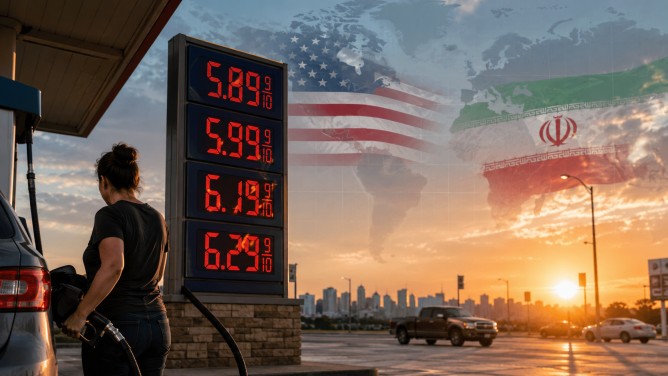
Gasoline prices in the United States have soared to unprecedented levels for the month of August amidst ongoing diplomatic tensions with Iran and instability around the crucial Strait of Hormuz, a key artery for global oil flow. The national average for a gallon of gasoline has hit $4.06, marking a 5-cent increase from the previous week and a staggering $1 rise compared to the same time last year. In states like California and Hawaii, the situation is even more dire, with prices reaching approximately $5.50 per gallon.
The elevated cost of oil is largely a repercussion of the US-Israel conflict with Iran, which has led to significant disruptions in the Strait of Hormuz. This strategic chokepoint is vital for the world’s oil shipments, and the tensions have previously driven Brent crude prices up to $112 a barrel, although they have since moderated somewhat. Despite this, oil prices remain considerably higher than they were a year ago.
Initially, gasoline prices saw a temporary dip when brief diplomatic agreements between the US and Iran hinted at easing tensions. However, the failure to reach consensus on Iran’s nuclear program within a designated 60-day negotiation window, coupled with stalled diplomatic efforts, has reignited fears of a protracted conflict, causing prices to climb once again. Recent threats from Trump directed at Oman have further fueled concerns of escalating hostilities in the region.
American consumers are feeling the pinch as rising fuel costs add to the financial strain from already high living expenses. Over the past six months, households across the country have collectively spent tens of billions more on gasoline compared to pre-conflict spending levels. If energy costs remain elevated, there is a growing risk of renewed inflationary pressures, which could have broader economic implications.