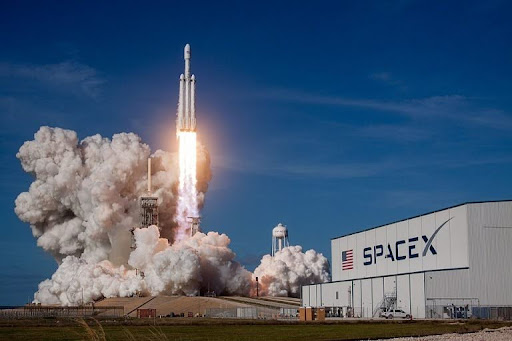
SpaceX has made a significant entrance into the public market with one of the most substantial initial public offerings on record. The aerospace and technology giant started trading at $150 per share, a figure that rapidly increased, propelling the company’s valuation to exceed $2 trillion by the conclusion of its first trading day. This remarkable leap in share price has notably augmented the wealth of CEO and primary shareholder Elon Musk, catapulting his net worth beyond the $1 trillion mark and establishing him as the first individual to achieve trillionaire status.
Investor excitement was palpable as shares surged, surpassing expectations due to strong interest in the company’s ventures in space exploration and satellite internet services. SpaceX executives emphasized their commitment to the long-term goal of advancing space travel and facilitating human settlement beyond Earth. The IPO was distinguished by its unique structure, which presented a fixed initial share price instead of the conventional price range. Anticipated high investor interest before trading began played a role in the swift rise in valuation once the stock hit the public market.
Despite the impressive debut, SpaceX continues to operate at a loss, with recent financial reports revealing substantial operating deficits even as revenue shows growth. Industry analysts attribute the company’s financial stance to its significant investments in aerospace infrastructure and the development of satellite networks. These investments are seen as crucial to the company’s ongoing and future projects.
The unprecedented valuation has sparked discussions concerning market concentration and potential risks, particularly regarding the scale of the company and Musk’s extensive voting influence. These talks highlight the complexities and considerations that accompany such a massive corporate presence in the market.